
Storm Damage Is Not Always Obvious From The Ground.
Most homeowners are not trained to identify hail damage, wind damage, brittle shingles, collateral damage, or failed repairs. The Roof Certainty System™ helps homeowners understand the real condition first.
Documentation first • Insurance claim clarity • Honest storm evaluations
Storm Damage Should Be Documented. Not Assumed.
Insurance claims impact homeowners, referral partners, and insurance policies. That is why storm documentation should be handled carefully and honestly.
Most Homeowners Have An Uncertainty Problem
Storm damage is not always visible from the ground. The real issue is knowing whether to file a claim, repair, monitor, or do nothing.
We Are Not Claim Chasers
Not every roof should become an insurance claim. Sometimes maintenance, repair, or continued monitoring is the smarter long term solution.
Documentation Creates Clarity
Photos, storm dates, collateral damage, roof conditions, and repairability all matter when deciding the best next step.
The Goal Is Clarity, Not Pressure.
A storm inspection should help homeowners understand the real condition of the roof before making a major decision.
Book A Free InspectionGet The Free Storm Damage Guide
A homeowner friendly PDF explaining hail damage, wind damage, collateral indicators, storm documentation, insurance considerations, and what to look for after severe weather.
Get The Free Storm Damage GuideFree PDF • Real inspection photos • Educational resource • No pressure
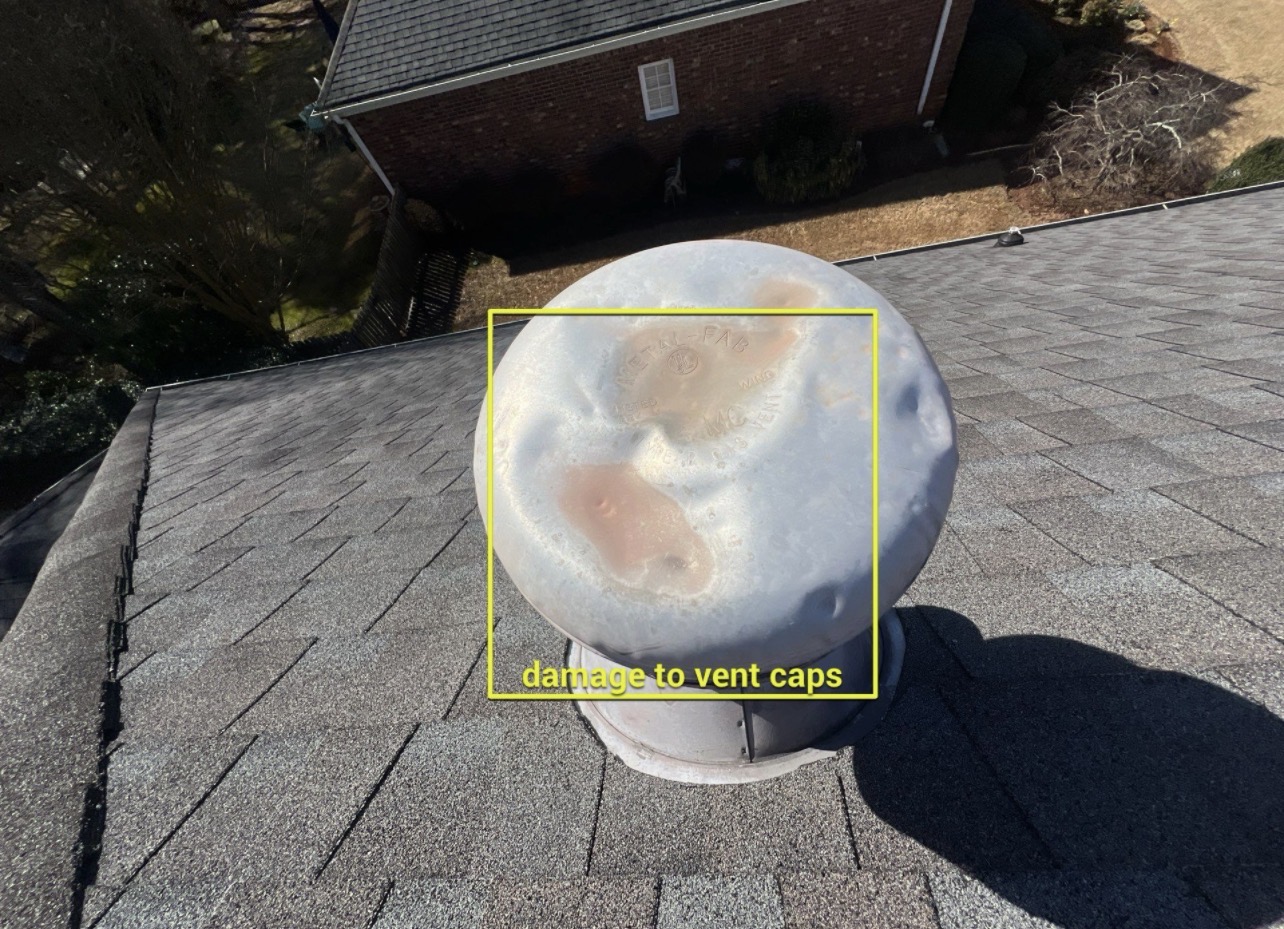
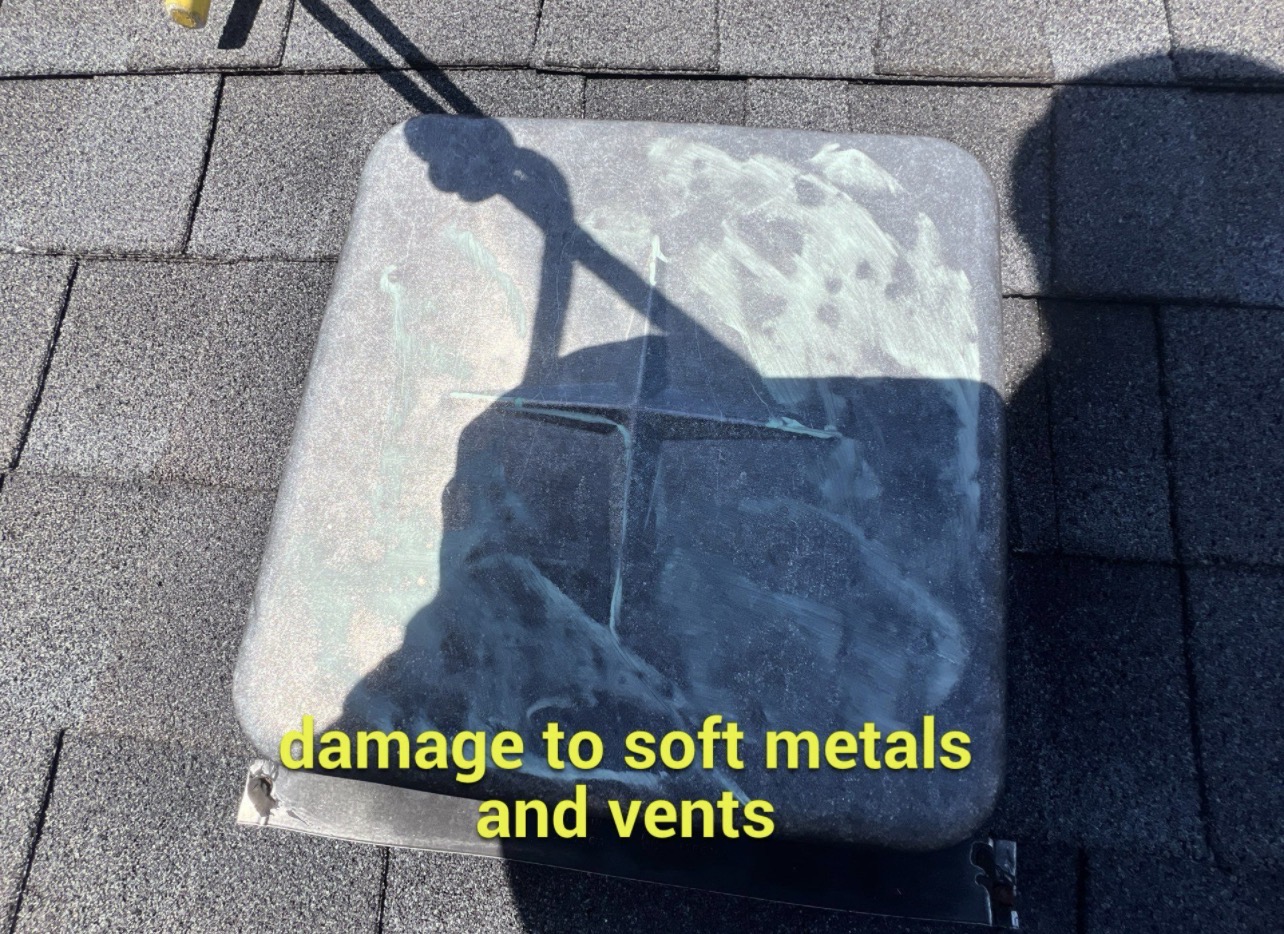
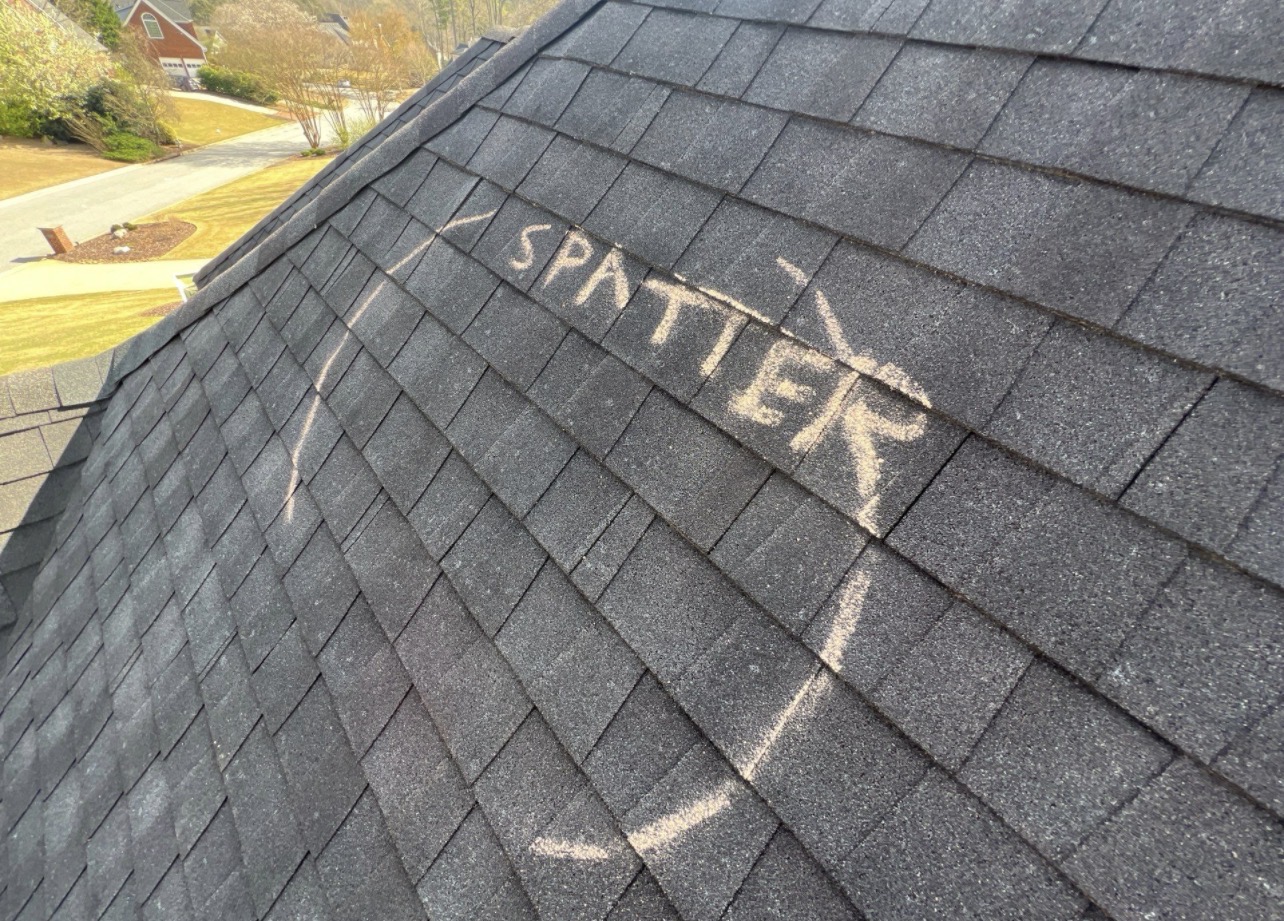
If Metal Got Hit, The Roof May Have Too.
Collateral damage helps tell the storm story. Dents, spatter, and impact marks on soft metals often help confirm storm activity in the area.
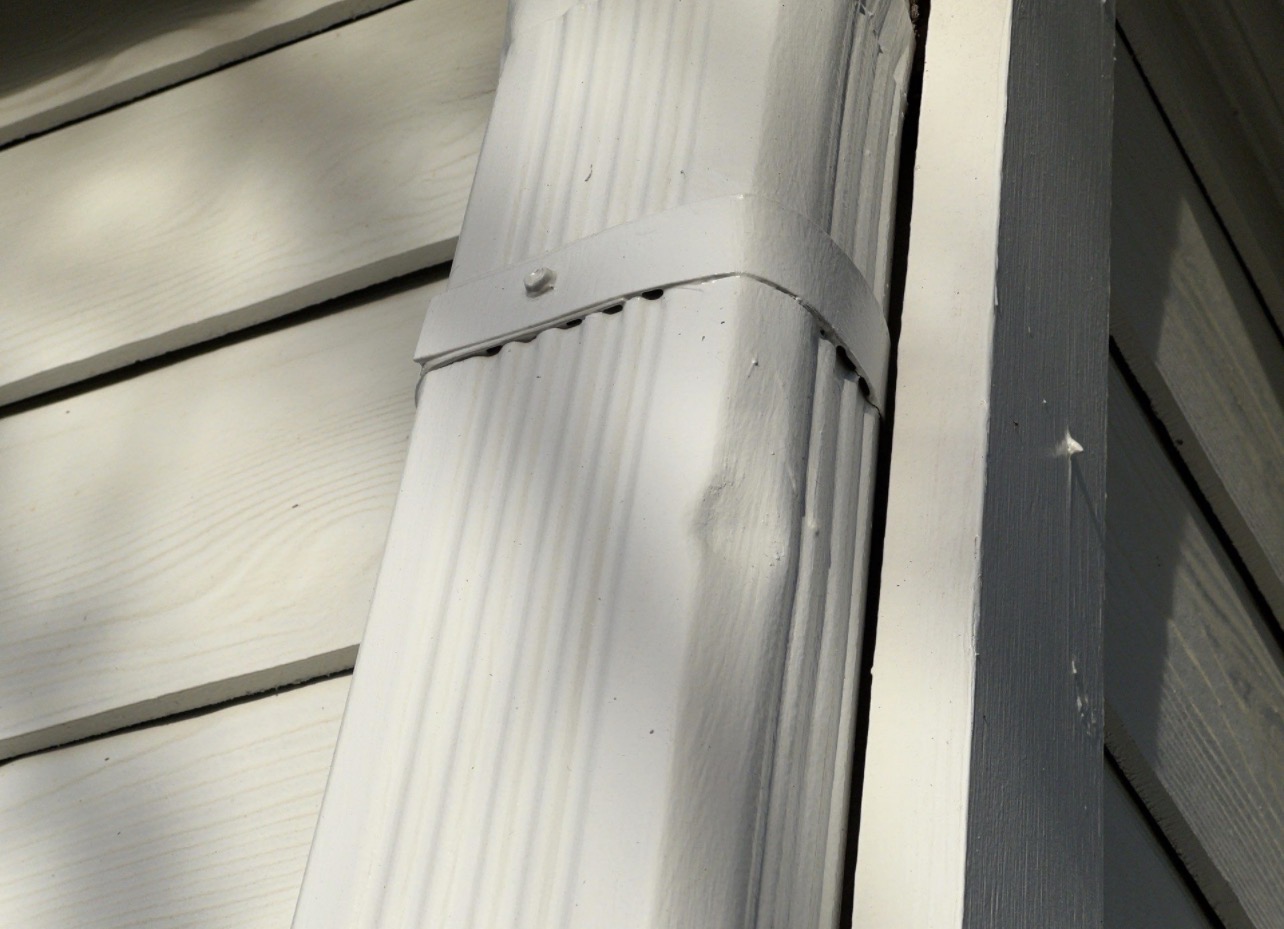
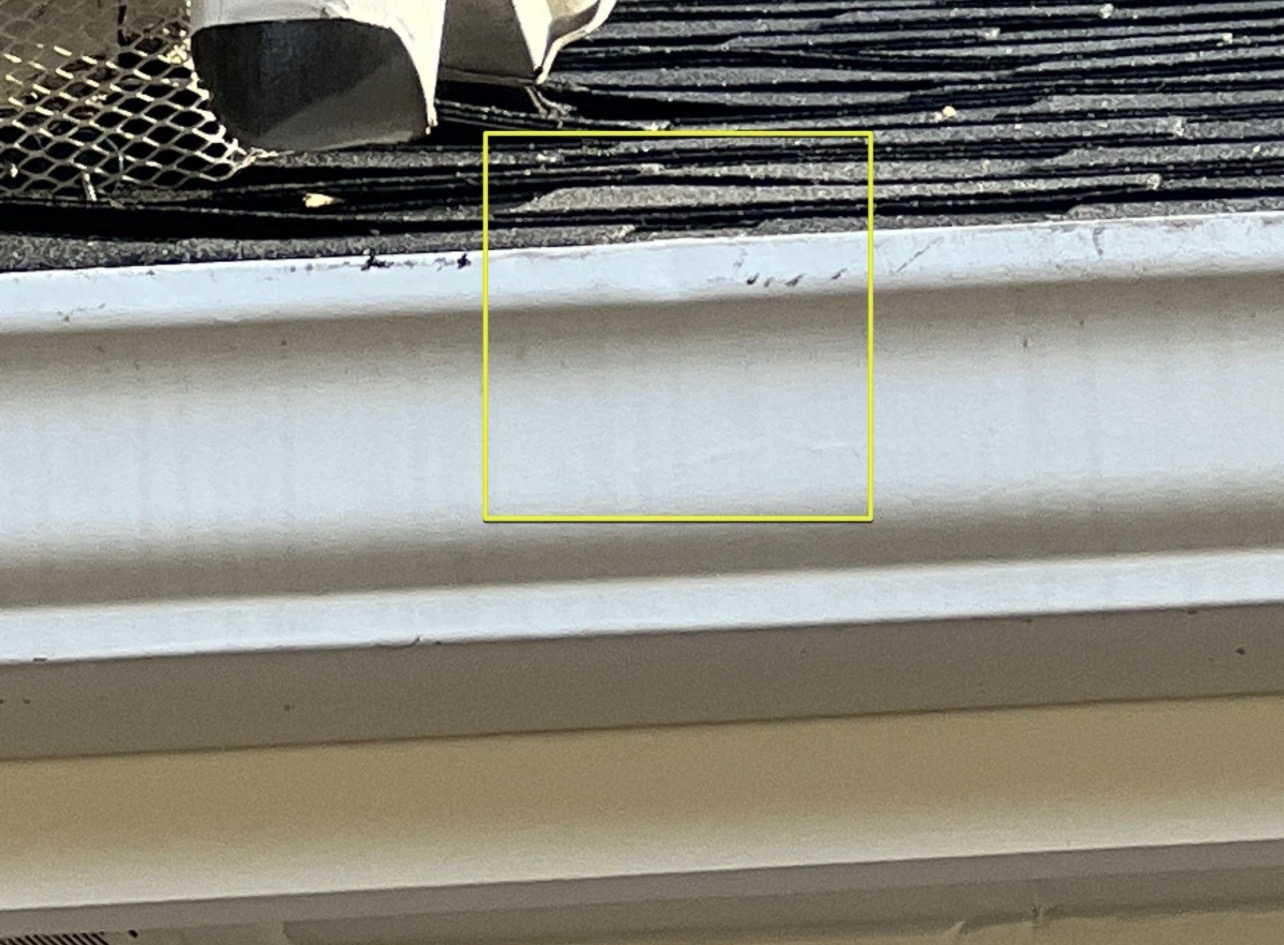
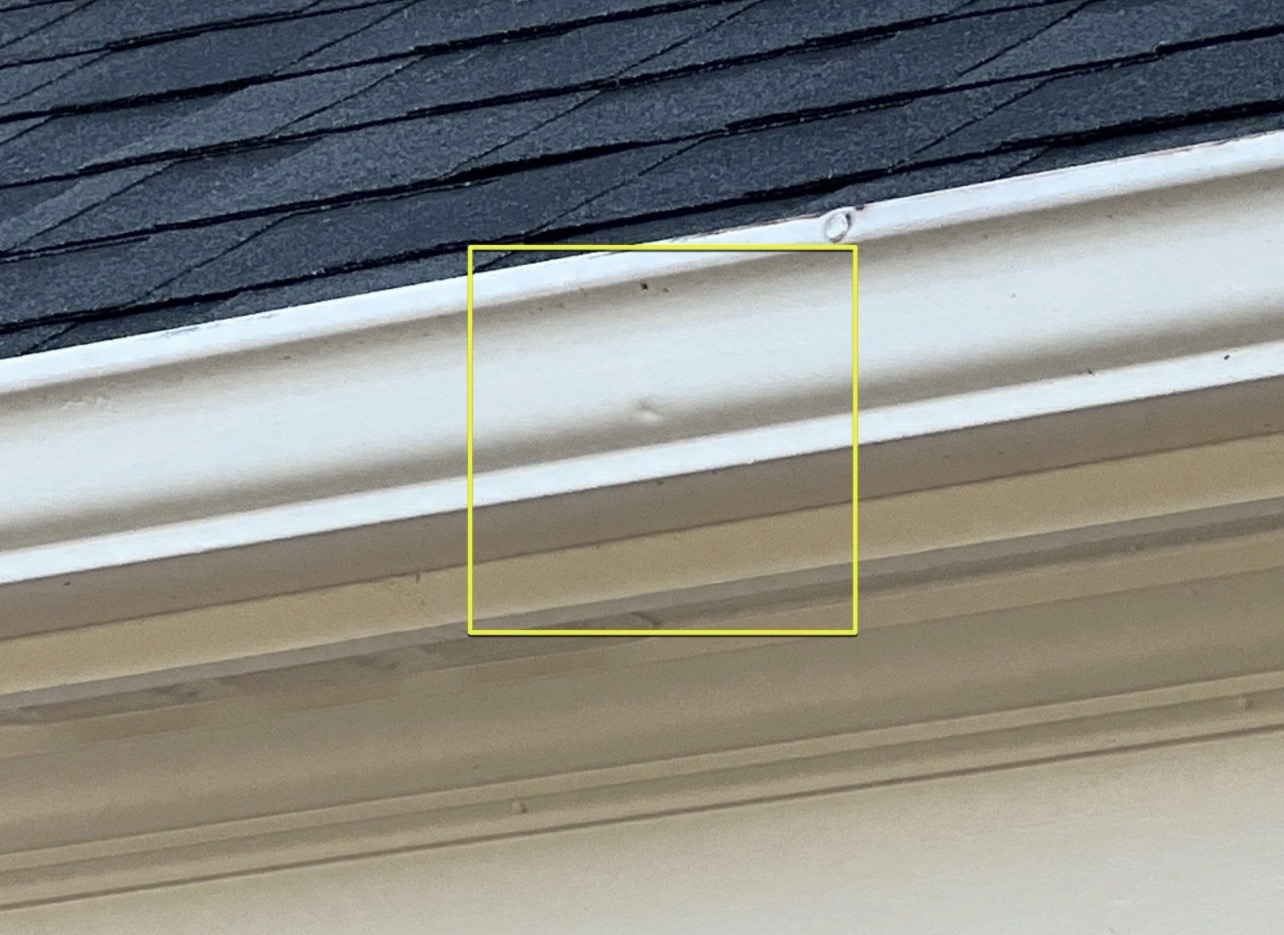
Storm Damage Is Usually A Pattern. Not A Single Mark.
We do not rely on one dent or one shingle. We look for consistent storm indicators across multiple components, slopes, and materials before making recommendations.
Hail Damage Is About More Than Circles On Shingles.
Proper storm documentation requires understanding impact patterns, bruising, granule displacement, soft metals, slope direction, roof age, and repairability.
Hail Damage
Hail can bruise shingles, displace granules, damage soft metals, and create patterns that require careful inspection.
Wind Damage
Lifted tabs, creasing, broken seal strips, and missing shingles can progressively weaken the roof system over time.
Repairability
Sometimes a roof cannot be properly repaired without creating additional damage. That matters before deciding next steps.
Insurance Claims Should Be Built On Documentation, Not Guesswork.
The Roof Certainty System™ focuses on gathering facts, documenting conditions, and helping homeowners understand the real condition of the roof before moving forward.
Confirm whether a relevant storm event occurred near the property.
Inspect the roof and soft metals for consistent damage indicators.
Document everything before deciding whether a claim, repair, or monitoring makes sense.
Get The Facts Before You File A Claim.
Not every roof has storm damage. Not every storm requires a claim. We help homeowners understand the real condition first through documentation, inspection photos, and honest storm evaluations.